


Outdated legacy hardware often hides in plain sight inside big companies. People wrongly think, “if it isn’t broken, don’t fix it.” Many business leaders believe that keeping old equipment saves money over time, as long as things keep running day-to-day. But a company’s technology isn’t just a basic tool; it is the backbone of the business. When companies rely on outdated equipment that is no longer supported by the manufacturer, they take on huge, hidden risks that grow worse every single day.
Instead of saving money, this old tech slows down work and hurts company growth. It can lead to broken rules, messed-up data, and slower business operations long before a major disaster even happens. This hidden “technical debt” builds up year after year, creating weak spots that even the best new security tools can’t fix. To keep a business strong, leaders need to see updating their technology not just as an IT cost, but as something they absolutely must do to survive.
Legacy Hardware and the Rising Cost of Unexpected Downtime
Relying on unsupported tech greatly increases the chance of a massive system failure. The cost of these crashes doesn’t just hit the IT budget; it damages the company’s overall profits. According to research by Splunk and Cisco, the total cost of surprise outages for the world’s largest companies has jumped to $600 billion a year. That is a 50 percent increase in just two years, proving that old equipment is failing to handle modern business needs.
For an average large company, a system crash costs about $15,000 per minute, or over $900,000 for every hour they are offline. Beyond stopping employees from working, outages cause other major problems. Public companies see their stock prices drop by an average of 3.4 percent after a big crash, wiping out millions of dollars for investors. This drop tells investors that the company doesn’t manage its risks well.
Thinking that aging servers and network switches are “good enough” ignores the massive costs of being offline. Every minute a system is down leads to hidden costs, like penalties for breaking service agreements, lost sales, and paying for emergency IT help. In the end, losing customer trust hurts far more than what you save by refusing to buy new equipment.
Legacy Hardware Weaknesses: The Direct Link to Data Breaches
When tech companies stop supporting old systems, they stop sending out important security updates. Without these updates, hackers have an easy, unblocked way into a company’s network. According to IBM’s Cost of a Data Breach Report, the average cost of a data breach in the United States is now a record $10.22 million. Unpatched systems are a major cause of these disasters, as hackers use automated tools to scan the internet for old, unprotected equipment.
Once a hacker gets into an old router or server, they can easily move through the rest of the network to steal sensitive data and client information. The financial damage is huge, especially with ransomware demands skyrocketing. The Cybersecurity and Infrastructure Security Agency (CISA) strongly warns companies to get rid of unsupported devices completely. Hackers specifically look for these old products because they know they are unmonitored and permanently vulnerable.
Hidden Financial Drains: Technical Debt and Productivity Loss

Keeping legacy hardware dramatically increases a company’s “technical debt,” which takes money away from projects that actually help the business grow. Companies often guess wrong about how much it costs to keep old tech running, underestimating it by 40 to 60 percent. According to McKinsey, managing this technical debt eats up to 50 percent of a company’s total IT budget. This stops companies from paying for new ideas and innovations.
Also, aging systems need highly specialized workers to keep them running. As experts in these older systems retire, the cost to hire someone who knows how to fix them goes way up. Instead of helping the business expand, IT workers get stuck in a loop of fixing problems. They spend countless hours trying to connect modern cloud tools to outdated servers. This slows everything down and makes the company much less flexible.
| Business Risk Category | Primary Operational Impact | Estimated Financial Consequence |
|---|---|---|
| Unplanned Outages | Complete halt of revenue-generating operations and supply chain logistics. | $15,000 per minute ($900,000+ per hour); 3.4% average stock price drop. |
| Data Compromise | Theft of intellectual property, client data exposure, and brand reputation damage. | $10.22 million average cost per incident in the United States. |
| Technical Debt | Diversion of IT resources from strategic growth to reactive, continuous maintenance. | Consumes 40% to 50% of total enterprise IT investment budgets. |
| Specialized Labor | Reliance on rare, expensive talent to maintain obsolete architecture and coding languages. | $120,000 to $200,000 annual premium per specialized legacy expert. |
How Legacy Hardware Impacts Compliance and Cyber Insurance
From a legal standpoint, using legacy hardware breaks the rules of almost every major data protection law. Modern compliance rules require constant security updates and active vendor support. For example, the Payment Card Industry Data Security Standard (PCI DSS 4.0) strictly punishes companies that use software or devices that no longer get security patches. Using old tech will instantly cause problems during a routine compliance check.
Similarly, businesses in healthcare have to make sure patient data is protected by strong, fully supported technology to meet HIPAA rules. When leaders choose to keep unsupported systems, they expose the organization to severe consequences:
- Exorbitant Regulatory Fines: Government agencies hand out massive fines to companies that fail to protect consumer data with modern, supported infrastructure.
- Loss of Processing Privileges: Credit card companies can stop a business from processing transactions if they break PCI DSS rules, which immediately shuts down sales.
- Voided Cyber Insurance Policies: Insurance companies are refusing to pay out claims for ransomware if they find out the attack started on a known, unpatched, or outdated system.
Is Legacy Hardware Putting Your Organization at Risk?
Relying on outdated, unsupported equipment leaves your entire network exposed to severe security flaws and unexpected system crashes. Don’t wait for a costly data breach or a multi-day outage to realize your aging systems are a massive liability. Let’s evaluate your current infrastructure exposure, eliminate hidden technical debt, and ensure your business stays secure and fully compliant.
Incompatibility with Modern Defense-in-Depth Strategies
A modern “defense-in-depth” strategy just doesn’t work with legacy hardware. True security needs a layered approach, meaning that if one layer of defense is broken, backup layers are there to stop the threat. According to Fortinet, a strong defense-in-depth setup relies on modern tools like behavioral analysis and automated network controls.
Older systems simply don’t have the memory or processing power to handle these advanced defense tools. When critical business tech can’t connect with current security standards, the whole defense system falls apart. This leaves big blind spots in the network. Hackers love these blind spots because they can hide there undetected until they are ready to launch an attack. Protecting a modern company requires a system that can actually run today’s threat-stopping tools.
Strategic Infrastructure Modernization to Replace Legacy Hardware
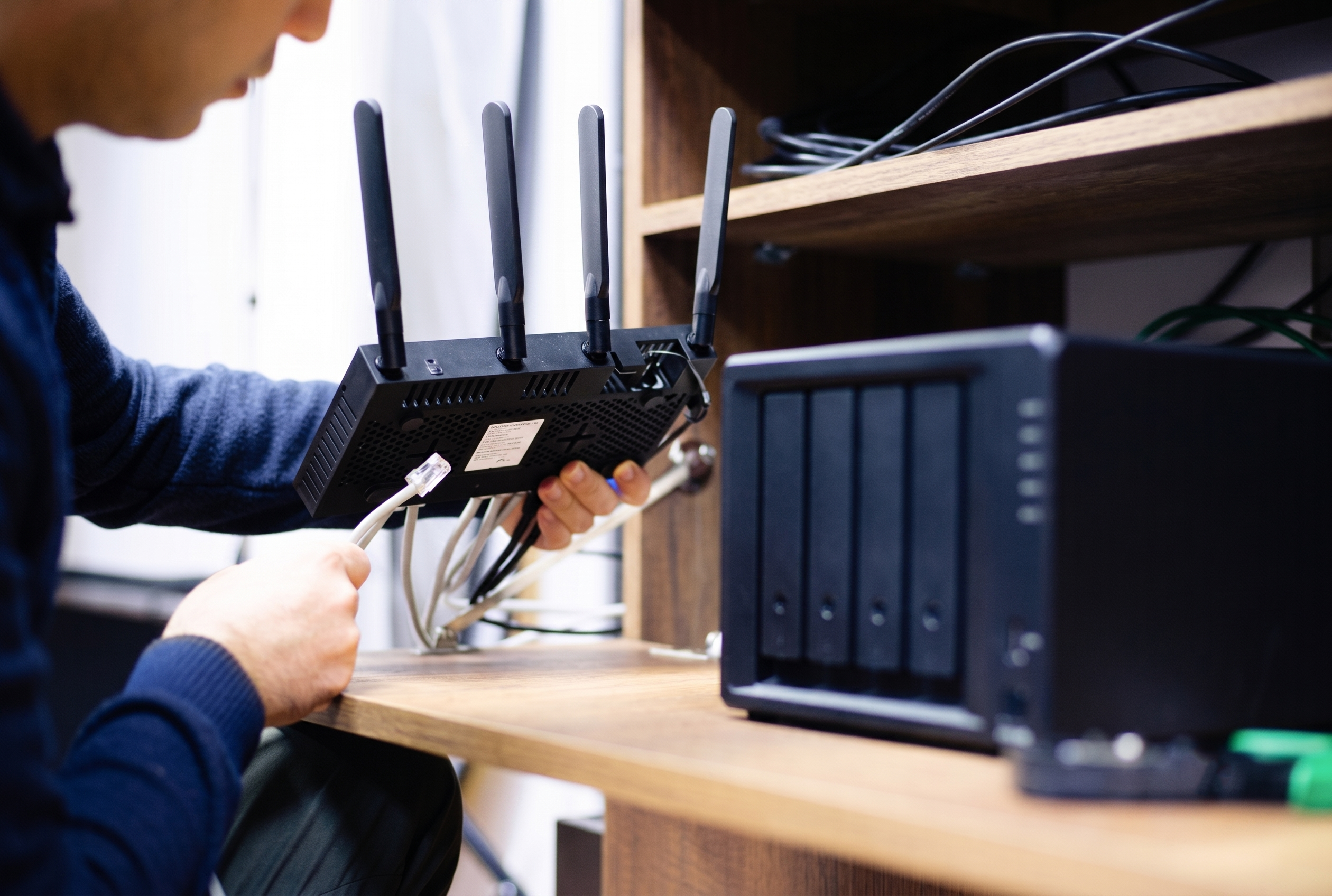
Holding onto outdated technology to save a few dollars is a surefire way to cause a financial disaster. The upfront cost of buying new equipment is tiny compared to the multi-million-dollar nightmare of a successful cyberattack, days of being offline, and massive legal fines. Business leaders need to change their perspective. They must see IT equipment not as a one-time purchase, but as an essential part of keeping the business safe.
A full check-up of your outdated equipment is the first step toward building a strong defense and securing your company’s financial future. Proactive upgrading gets rid of hidden technical debt, keeps you on the right side of the law, and protects your profits from devastating outages. To evaluate your current exposure and develop an upgrade plan, contact Onsite Computing for a comprehensive infrastructure audit. Our expert IT and cybersecurity services provide regional and national support to make sure your business stays secure, compliant, and continuously operational.
FAQ: The Business Risks of Legacy Hardware
Keeping legacy hardware exposes your company to severe financial and operational dangers. Because these older systems no longer receive critical security patches from the manufacturer, they become easy targets for automated cyberattacks and ransomware. Furthermore, aging equipment is prone to sudden failures, which leads to expensive, unplanned operational downtime that stops revenue generation.
Most major data protection laws, including PCI DSS and HIPAA, strictly require businesses to use fully supported technology. Running legacy hardware directly violates these standards because the equipment cannot be updated against new threats. This failure can result in massive regulatory fines, the loss of transaction processing privileges, and voided cyber insurance payouts if an attack occurs.
No, modern cybersecurity defenses cannot effectively protect outdated equipment. Advanced security tools require significant memory and processing power that older servers and routers simply do not possess. When legacy systems cannot run modern defenses, it creates permanent blind spots in your corporate network where cybercriminals can easily hide.
The true cost of old technology extends far beyond the IT department, often consuming up to 50 percent of a company’s technology budget through “technical debt.” Businesses are forced to pay a massive premium to hire rare, specialized experts just to keep obsolete systems running. Ultimately, the cost of a single hour of system downtime far exceeds the upfront investment of upgrading to modern, reliable infrastructure.
