
Cloud Security Myths frequently distort how businesses perceive data resilience in software-as-a-service (SaaS) platforms. Many businesses operate under the assumption that migrating productivity suites to the cloud solves all data loss and recovery challenges. While cloud providers maintain high infrastructure availability, this platform uptime is often mistaken for comprehensive data protection. In reality, relying solely on default tools exposes organizations to severe operational disruptions, compliance liabilities, and financial damage.
To build a resilient operational framework, leaders must understand the division of security obligations. A robust strategy incorporates a multi-layered defense to safeguard business-critical assets. This concept of layered protection, detailed by Fortinet’s guide on defense-in-depth, emphasizes that no single security measure is sufficient on its own.
The Danger of Cloud Security Myths and the Shared Responsibility Model
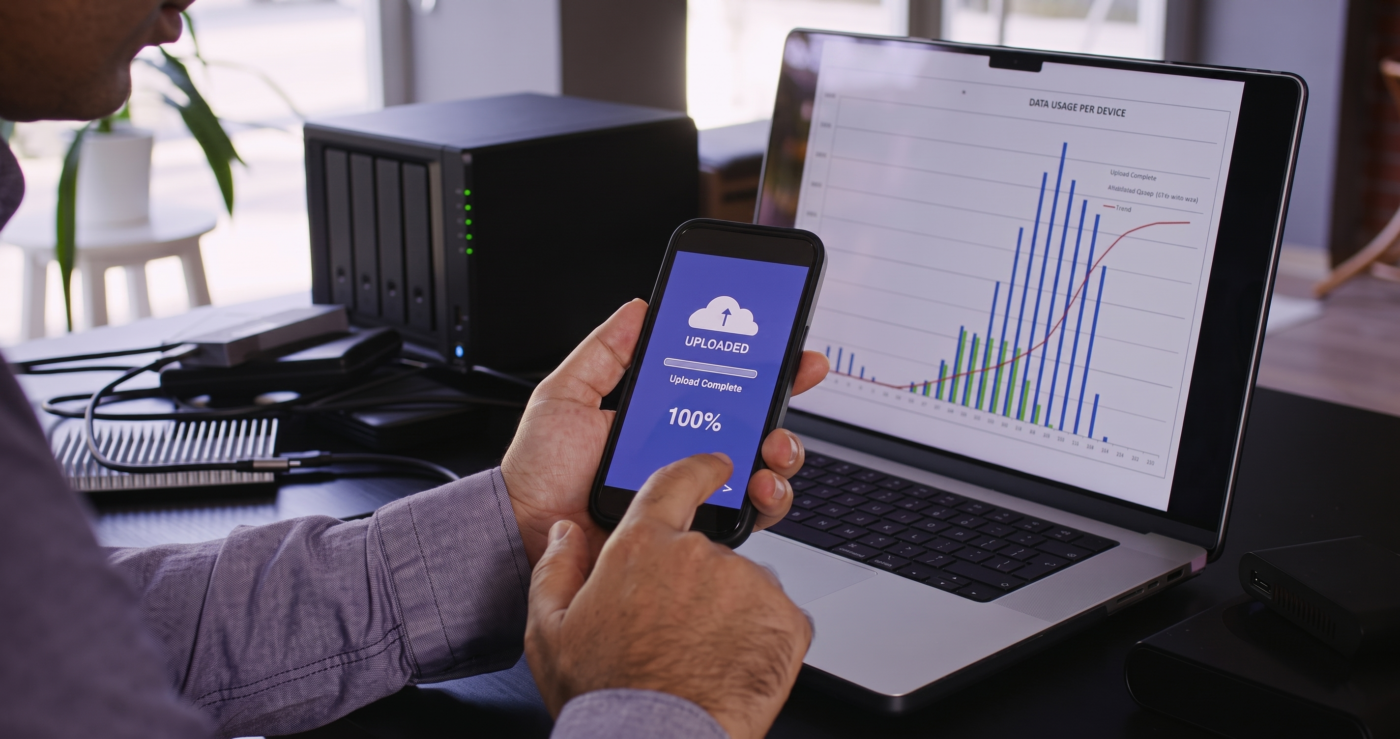
A common misconception is that once data resides in the cloud, the provider assumes all responsibility for its security and retention. However, major cloud platforms operate under a structured Shared Responsibility Model. As outlined in AvePoint’s breakdown of Microsoft 365 responsibilities, the service provider maintains the physical infrastructure, platform uptime, and network availability. The customer remains the sole custodian of the data, user identities, and endpoint access.
If an employee deletes a critical folder or a compromised credential allows a malicious actor to wipe out files, the cloud provider will not restore them. The provider’s duty is to guarantee platform availability, not data recovery. Believing these Cloud Security Myths leads to a failure to establish independent recovery pipelines, leaving the business vulnerable to permanent operational pauses.
Overcoming Cloud Security Myths Regarding Default Retention
There are many businesses that assume that native tools automatically handle long-term data preservation. This is particularly relevant when operational leaders ask: Does Microsoft 365 backup data? The answer is that Microsoft replicates data for service resilience, but replication is not a true backup.
For example, Microsoft’s OneDrive retention and deletion guidelines specify that deleted files are held in the recycle bin for about 90 days. After this window closes, there is only a brief 14-day support grace period before the data is gone forever.
A similar challenge exists in Google Workspace data recovery. When a user deletes a Drive file, it remains in the trash for a limited time. According to Google Workspace Help, an administrator has a short 25-day window to restore the data after the trash is emptied. Once this total recovery window expires, the platform permanently purges the data.
Myth 1: Cloud Replication is the Same as a True Backup
Cloud platforms utilize geo-redundancy to mirror data across physical data centers, protecting against hardware failures. If a file is deleted, corrupted, or maliciously encrypted, that destructive change is immediately synchronized across all redundant locations. True backup solutions retain independent, point-in-time snapshots, enabling organizations to roll back to a clean state before the corruption occurred. Understanding how these layers differ is crucial when establishing an advanced data protection strategy for your organization.
Myth 2: Compliance Archiving Can Handle Disaster Recovery
Organizations frequently mistake compliance archiving platforms for recovery solutions. These tools are designed for legal holds and regulatory audits, not rapid disaster recovery. They do not offer point-in-time restores of entire folders, nor do they preserve directory structures and access permissions.
Myth 3: Ransomware Cannot Bypass Cloud Security Versions
While platforms maintain version history, sophisticated threats can bypass these safeguards. Attackers can programmatically reduce document library version limits to a minimum and encrypt files twice. This overwrites the clean history, leaving only encrypted files.
When executives believe these Cloud Security Myths, they overlook the reality that synced ransomware instantly encrypts cloud-stored directories. Once infected files are synchronized, the cloud infrastructure becomes a distribution mechanism for the damage, multiplying the impact across the enterprise.
Is Your Enterprise Data Truly Protected from a Cloud Outage?
Relying on default platform settings leaves critical corporate assets and financial records exposed to permanent loss. If an administrative account is breached or data corruption synchronizes across your platforms, native recovery tools won’t be enough to prevent severe operational downtime. Let’s audit your independent backup infrastructure and close these critical vulnerability gaps to protect your regional or national operations.
How Cloud Security Myths Impact Administrative Vulnerabilities
Myth 4: Administrative Accounts are Invulnerable to Compromise
Many business owners believe that default administrative access is secure enough to prevent data loss. However, credential theft remains a primary entry point for enterprise compromises. If an administrator account is breached, the attacker gains full control over the SaaS tenant and can easily expose the organization to devastating Cloud Security Myths:
- Modify retention settings to shorten data lifespan.
- Bypass standard MFA protocols.
- Permanently delete entire user directories and compliance archives.
Without independent backups in a logically separated environment, a single credential breach can lead to complete data destruction.
Myth 5: Accidental Deletions by Former Employees are Easily Recoverable
When employees leave an organization, their accounts are typically decommissioned and unlicensed to manage subscription costs. If an administrator deletes the account without archiving its data elsewhere, the platform permanently purges it after a brief grace period. If the business realizes months later that critical files or intellectual property owned by that former employee are needed, those assets are permanently gone.
Evaluating the Operational and Financial Toll of SaaS Data Loss
The business impact of cloud data loss extends to severe financial exposure and operational downtime. The table below illustrates the typical recovery timeframes and business impacts based on different data architectures:
| Data Protection Level | Recovery Time Objective (RTO) | Financial & Operational Impact |
|---|---|---|
| Native Recycle Bins | Days to Weeks (Manual Restore) | High risk of permanent data loss; severe operational disruption during manual file search and reconfiguration. |
| Compliance Archiving | Weeks (Export/Import required) | High manual labor; complete loss of folder hierarchies and permissions; significant operational drag. |
| Independent Cloud Backups | Minutes to Hours (Automated Restore) | Zero data loss; rapid restoration of directory structures and user permissions; minimal operational impact. |
Securing Business Data for the Future
To move past these Cloud Security Myths, businesses must view data protection through the lens of independent disaster recovery. This involves utilizing third-party cloud backup solutions for small business and enterprise environments to ensure that data remains secure, compliant, and accessible regardless of platform failures or human errors.
Disrupting these misconceptions is the first step toward safeguarding an organization’s operational continuity. Relying on default platform settings leaves critical intellectual property, customer data, and financial records exposed. True business resilience requires a proactive, multi-layered defense strategy that couples robust access controls with independent, immutable backup systems.
To evaluate current risk profiles and build a resilient recovery strategy, contact Onsite Computing today for a comprehensive backup infrastructure audit and vulnerability assessment. Based in Corona, California, our IT and cybersecurity services extend beyond the local area to support businesses regionally and nationally, ensuring your business is thoroughly protected.
Cloud Security Myths: Frequently Asked Questions
No, Microsoft 365 does not provide native, independent data backups. Under their Shared Responsibility Model, Microsoft ensures the platform remains online, but the customer is solely responsible for protecting and retaining their own data. Native tools like the recycle bin only offer short-term retention (typically 93 days) before data is permanently purged.
The standard Google Workspace data recovery window is strictly limited to a maximum of 55 days. When a user deletes a file, it sits in the trash for 30 days. After that, administrators have a brief 25-day grace period to restore it. Once that window expires, the data is permanently erased and cannot be recovered using native Google tools.
The most dangerous Cloud Security Myths involve executives assuming that cloud platform replication is the same as disaster recovery. Believing that native compliance archiving replaces rapid backups, or that default version history can withstand synchronized ransomware attacks, leaves business operations highly vulnerable to permanent data loss.
Third-party cloud backup solutions for small business environments create an independent, logically separated copy of your data that is safely isolated from your main cloud platform. If a compromised administrator account or a ransomware infection destroys your active cloud environment, an independent backup ensures you can rapidly restore your directory structures and resume operations without negotiating with threat actors.
